

Building Spacious Enclosures

Veterinary Care

Daily Activities and Cultural Exchange

Research and Knowledge Sharing
We regularly host researchers and welcome partnerships with the scientific community to deepen knowledge and improve practices. By collaborating with experts, we aim to set new standards for responsible elephant care in Nepal and beyond. For research inquiries or collaboration opportunities.


Kailash Prasad
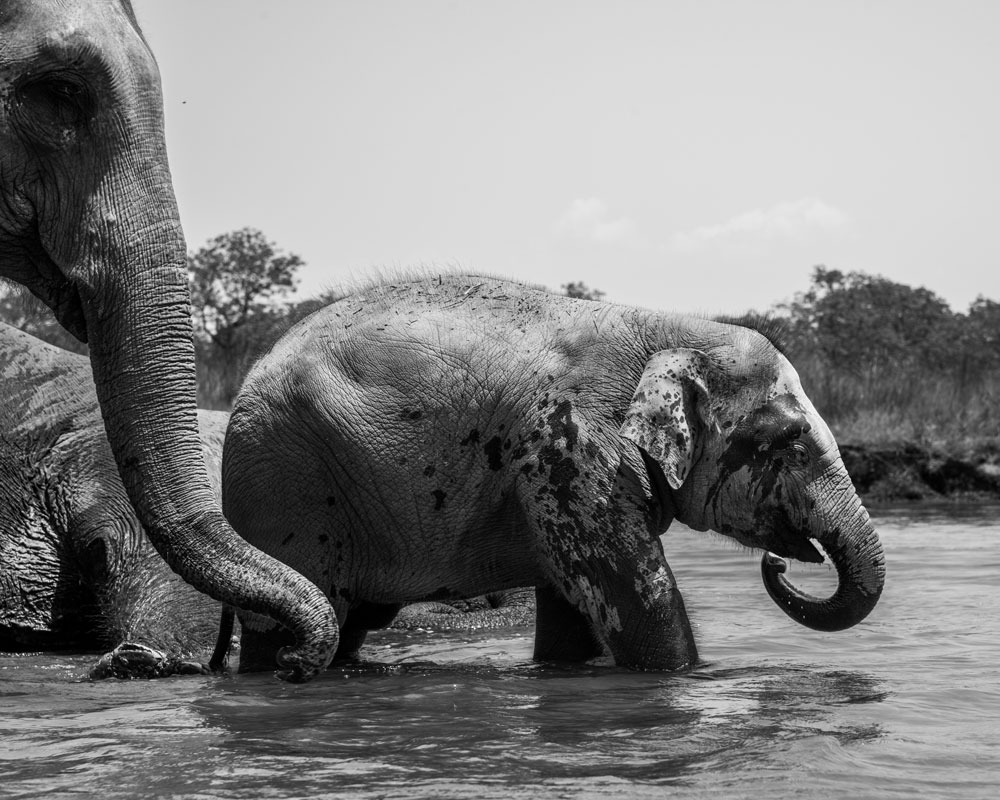
Kailash Prasad
Kailash is the herd’s youngest elephant. He is a curious youngster always reaching out with his trunk eager to greet people.

ChanChan Kali
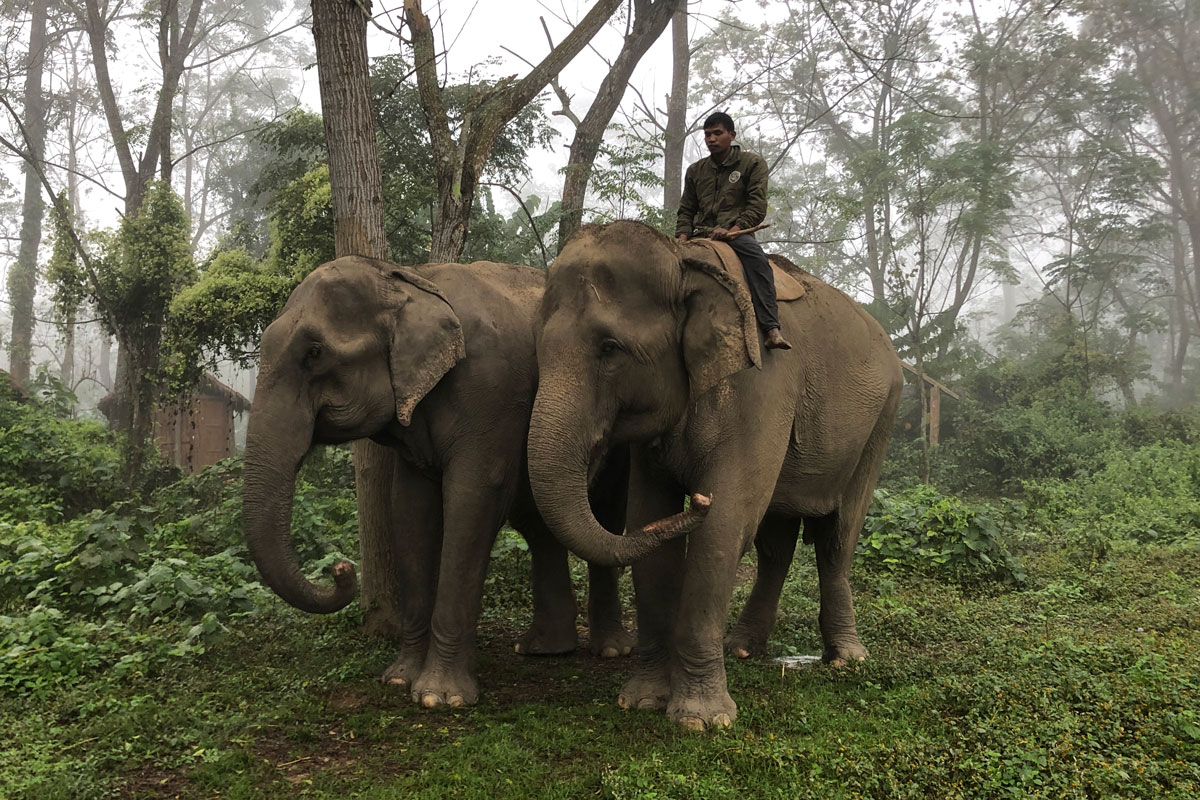
ChanChan Kali
She is popular among her herd however you can always find ChanChan around Champa Kali. Chanchan is fiercely protective of her. ChanChan becomes extremely upset if they are separated even for a brief moment. She has a very distinct round face and appears very chubby.

Champa Kali
Champa Kali
She is one of the eldest elephants. She eats her Kuchi slowly because she has few molars left due to her age. One thing about Champa is that she is extremely impatient as evidenced by her constant waving of her trunk at people moving past her corral to request more food.

Raj Kali
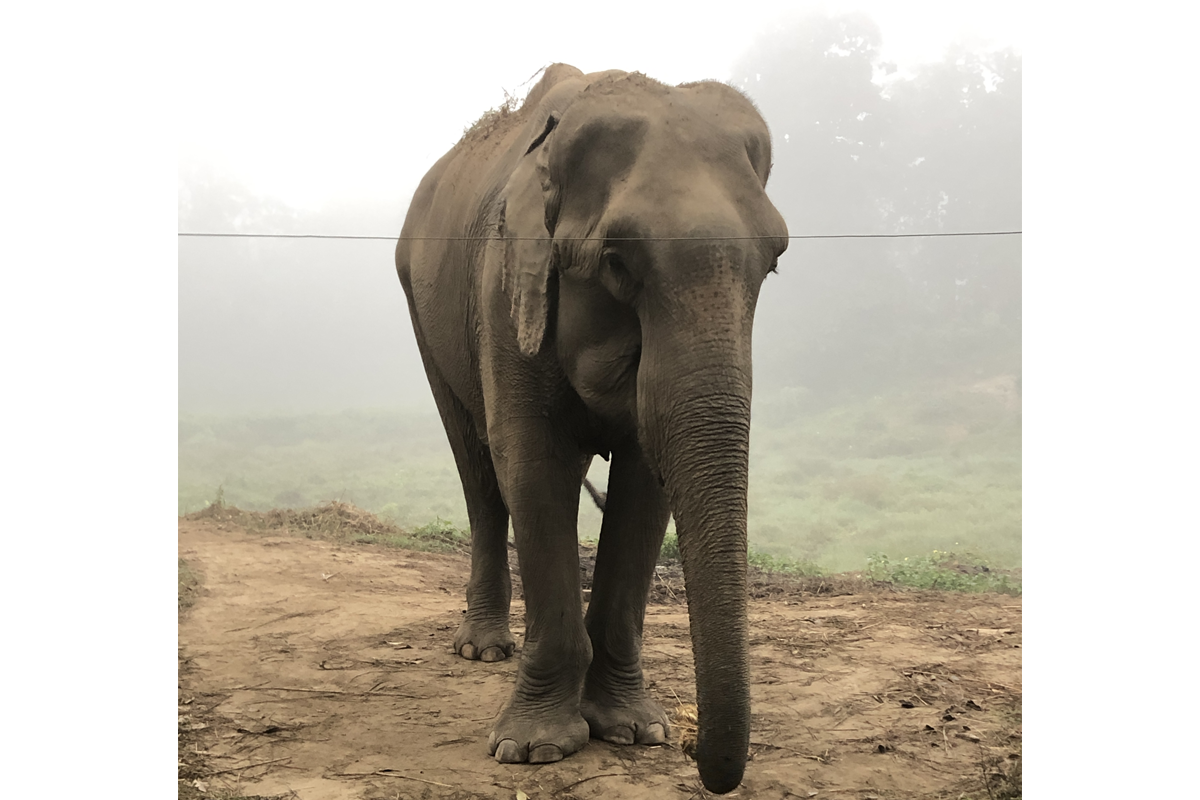
Raj Kali
Raj is dubbed as the “Queen of Kuchhi”. She has a bit of an independent spirit however and is intelligent and keen, and uses her sense of smell to select the largest kuchhi parcel for herself first. She is quite active and lively inside the corrals, where she loves scratching against the trees and dusting.

Ram Kali
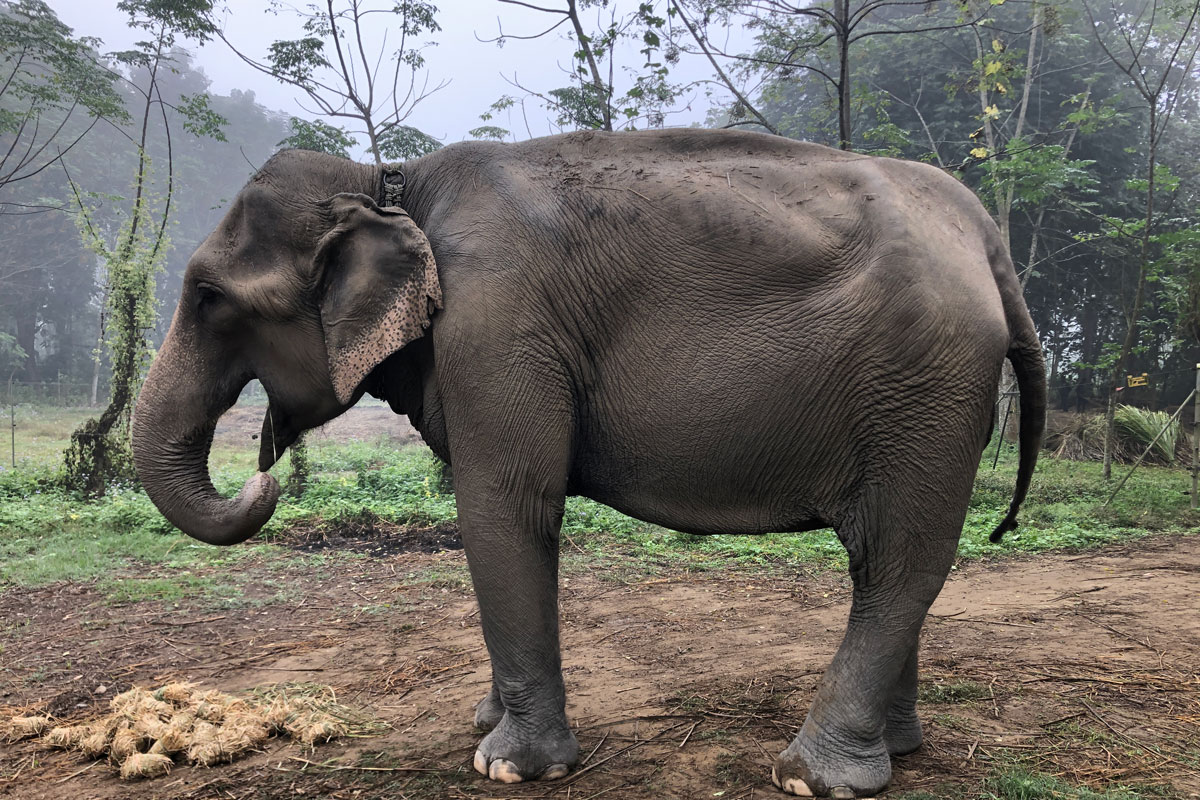
Ram Kali
Apart from being the tallest elephant, Ram is extremely intelligent and is eager to please everyone. Researchers at Tiger Tops adore her as she is simple to train and extremely responsive. However, Ram isn’t the friendliest in the herd as she likes throwing and waving branches around however, she is friendly to her mahouts. She sometimes gets spooked by Rhino callings in the wild.

Hira Kali
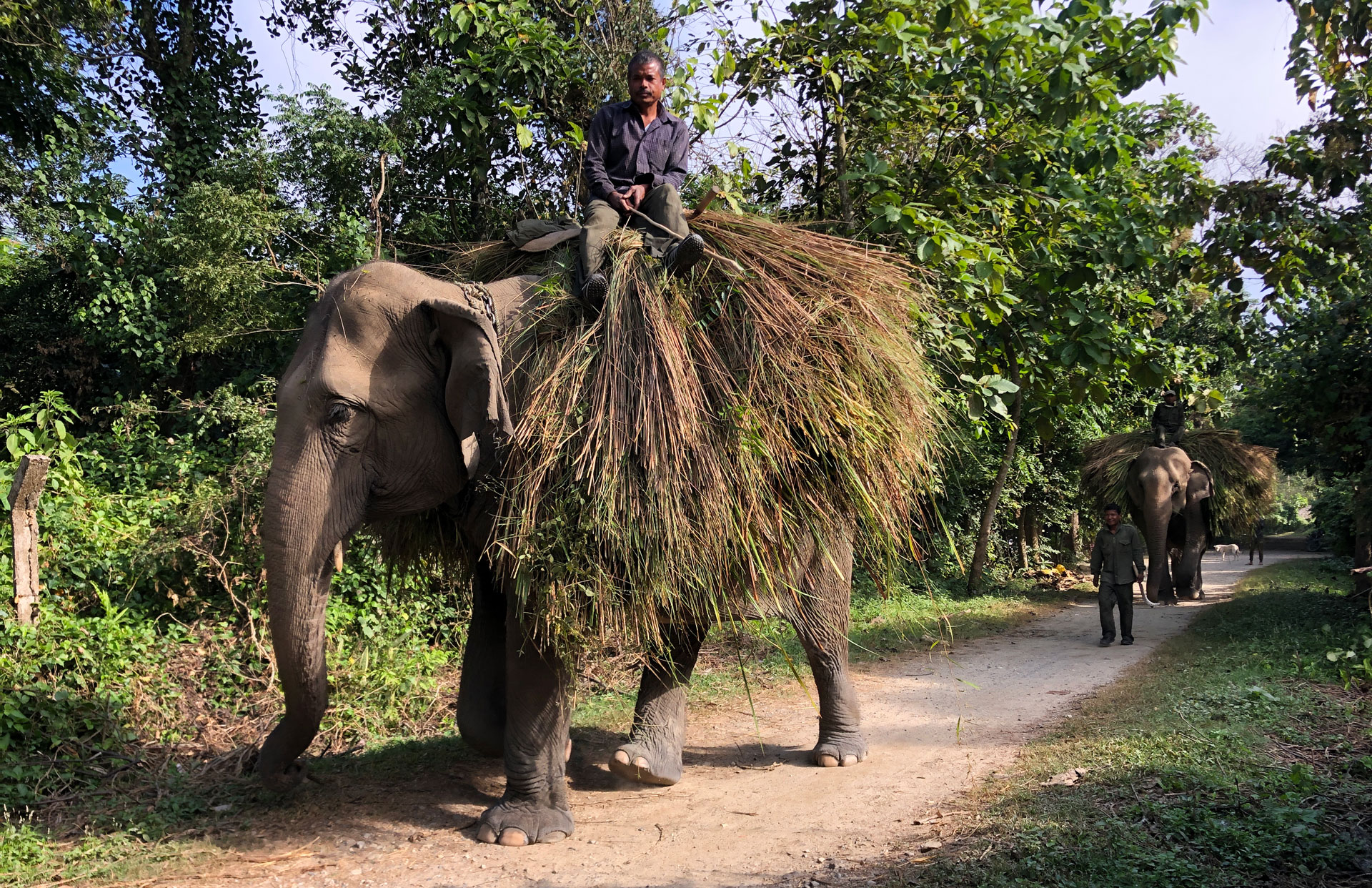
Hira Kali
The first thing you notice about Hira Kali is that she is the herd’s largest and the most dominant elephant. She loves interacting with people and other elephants. In 2006, she gave birth to Sandra Kali and now is a grandmother of Kailash Prasad. She is not a picky eater and is always hungry looking for food. Her big stature can be attributed to it!

Gulab Kali
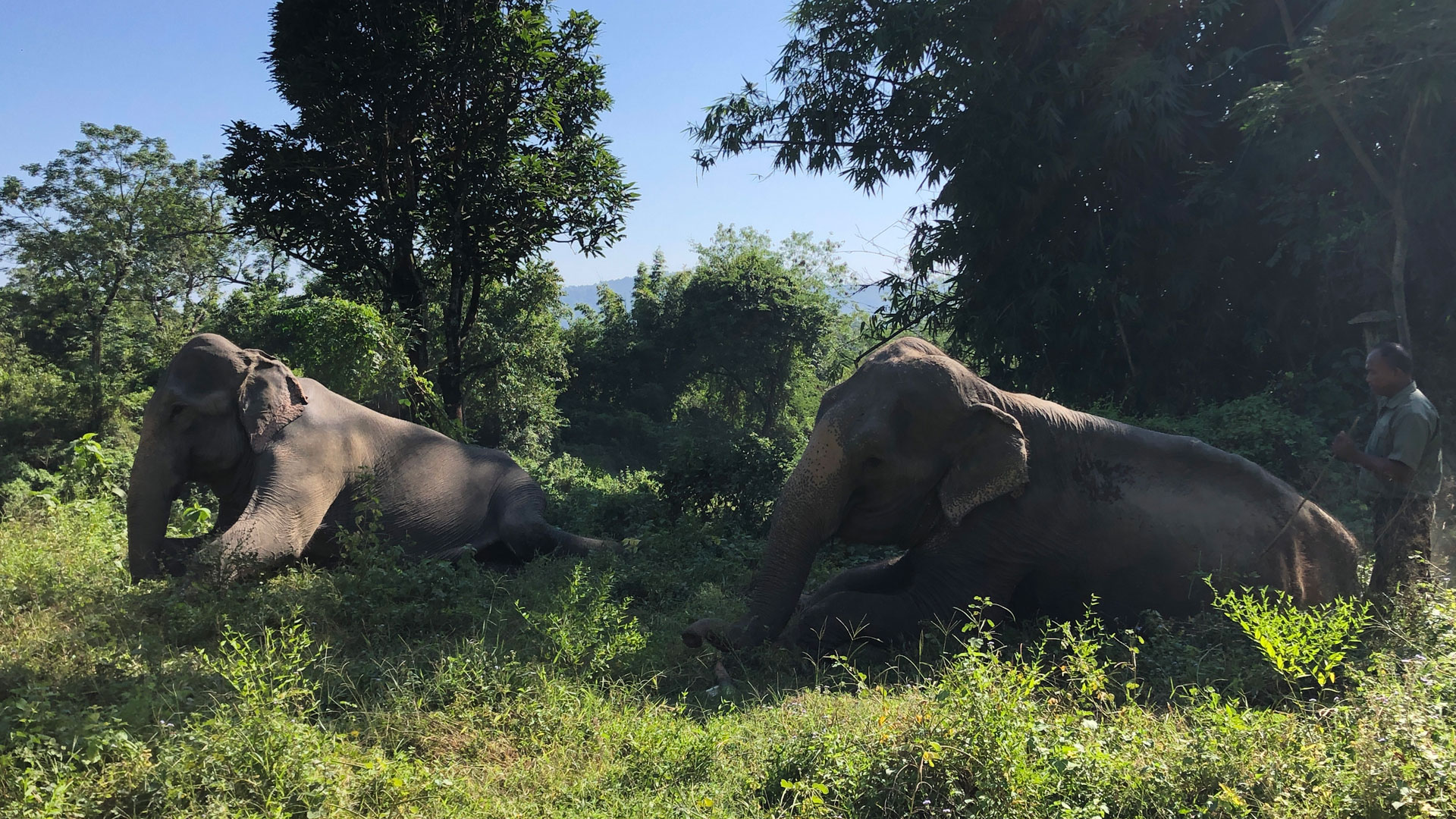
Gulab Kali
She is the lovable grandma of the group. The oldest and also the sweetest, she is gentle with kids, humans and gets along with all of the elephant in the herd. She is very curious and likes to occasionally wander around.

Saraswati Kali
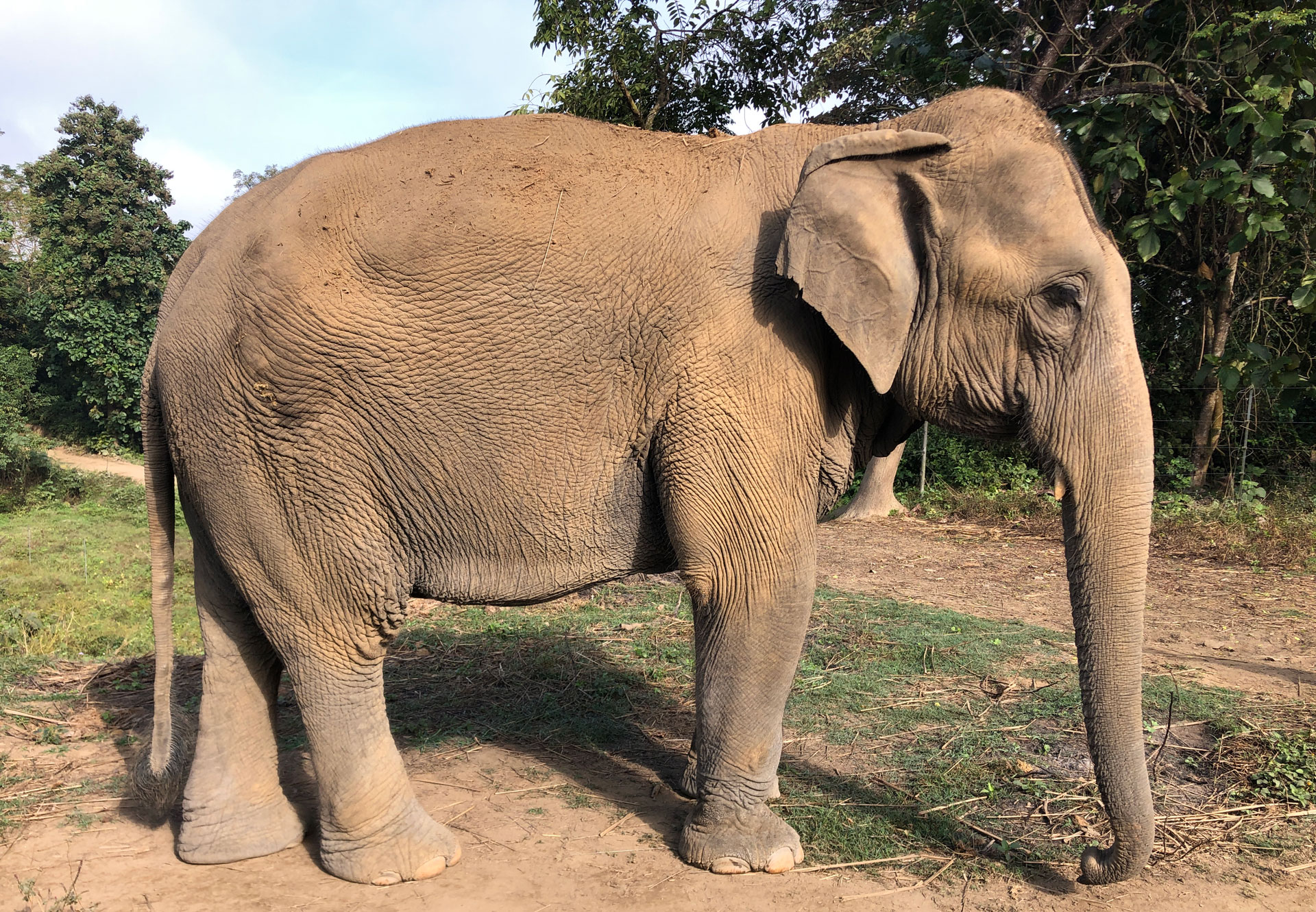
Saraswati Kali
She is one of the most mischievous members in the herd. She is named after the Hindu goddess of knowledge, wisdom and art. She is usually in a good mood and is often tactile and curious. She is a picky eater as she never eats the straw of her Kuchi parcels but only the rice in middle. She is fond of Sandra Kali and is also very good friends with Gulab Kali.